
 The Second Intermediate Period began with the 15th dynasty and ended with the 17th dynasty. This period in Egyptian history is known for not only being dark like the First Intermediate Period, but also for the invasion of the Hyksos. Marking a period when Ancient Egypt once again fell into disarray between the end of the Middle Kingdom and the start of the New Kingdom the Second Intermediate Period is when the Hyksos made their appearance in Egypt and whose reign comprised the 15th and 16th Dynasties. The large-scale immigration of foreigners into the Nile Valley during the Middle Kingdom eventually led to the end of the Middle Kingdom as these foreigners remained non-naturalized "Asiatics." In other words they established their own communities and lived by their own laws. As their numbers increased they became a threat to the already weak power of the Egyptian monarchy.
 The 13th Dynasty was unable to hold onto the entire territory of Egypt and the provincial ruling family in Xois (located in the marshes of the western Delta) broke away to for
Around the time Memphis and Itj-tawy fell to the Hyksos, the native Egyptian ruling house in Thebes declared its independence from the vassal Hyksos dynasty in Itj-tawy and became the 17th Dynasty. The 17th dynasty became the salvation of Egypt and eventually lead the war of liberation that drove the Hyksos back into Asia.
The rule of Egypt under the Hyksos had kings from diverse backgrounds as the groups of foreigners vied to dominate Egypt. There was no "single" monarch but rather a collection of independent states under a variety of foreign kings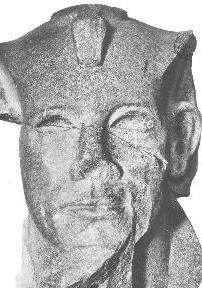
15th Dynasty Rulers
c. 1650-1550 BC
parallel with the 16th & 17th Dynasties
Rulers Included:
Sheshi
Yakubher Meruserre
Khyan Seuserenre
Apepi I (Auserre)
Apepi II (Aqenenre)
16th Dynasty Rulers
c. 1650-1550 BC
parallel with the 15th & 17th Dynasties
various minor Hyksos rulers and local governments
17th Dynasty Rulers
c. 1650-1550 BC
parallel with the 15th & 16th Dynasties
Rahotep (Sekhemrewahkhaw)
Sobekemsaf I (Sekhemreshedtawy)
Intef VI (Sekhemrewepmaat)
Intef VII (Nebkheperre)
Intef VIII (Sekhemreherhermaat)
Sobekemsaf II (Sekhemrewadjkhaw)
Senakhtenre
Seqenenre
Kamose


good site... doing school project
ReplyDelete